Gaps between floorboards are one of the most common things homeowners ask us about. They’re rarely a sign that something has gone seriously wrong, but they can let in draughts, collect dust and dirt, and spoil the look of an otherwise well-kept floor. The good news is that there are several ways to deal with them, and the right one depends on the width of the gaps, the type of floor and how you use the room.
Why Do Gaps Appear Between Floorboards?
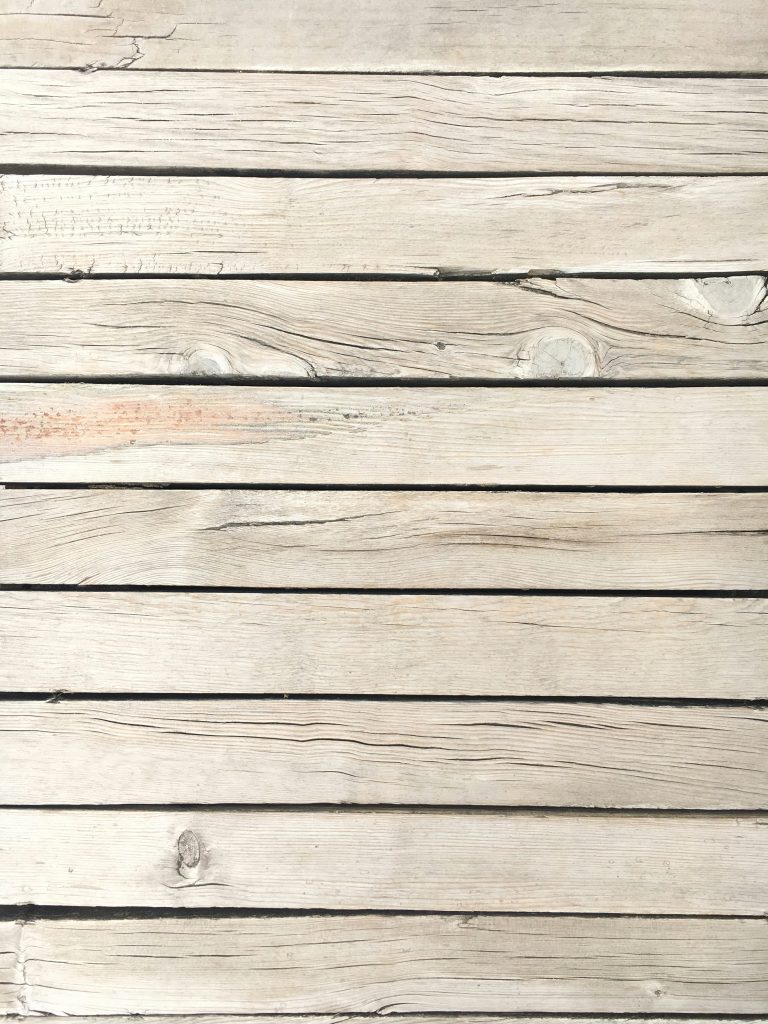
Timber is a natural material, and it constantly takes in and gives off moisture as the air around it changes. In winter, central heating dries the air and the boards shrink slightly; in damper months they take on moisture and swell back. Over many years, that seasonal cycle can open up gaps, particularly between wider boards, which move more than narrow ones.
Age plays a part too. Many Victorian and Edwardian homes across Reigate, Redhill, Dorking and South London have original softwood boards that have been moving for a century or more, and some gaps are simply part of the character of those floors. Underfloor heating can also dry boards out more than a conventional system, which can make gaps more noticeable.
Do Gaps Need Filling?
Not always. Very fine gaps are a normal part of living with a real wood floor; the boards are simply doing what timber does. It’s usually when gaps become wide enough to trap dirt, let draughts rise through the floor or catch heels and furniture feet that people decide to deal with them.
It’s also worth knowing that filling gaps isn’t a one-off cure for seasonal movement. The boards will carry on moving, so the aim is to choose a method that copes with that movement as well as possible, rather than fighting it.
The Main Options for Filling Gaps
Flexible Filler
For narrower gaps, a flexible filler is applied during the sanding process. It’s usually mixed with fine sanding dust from the floor itself so the colour blends in, then worked into the gaps and sanded flush. Because it stays slightly flexible, it can move with the boards better than a hard filler would.
Timber Slivers
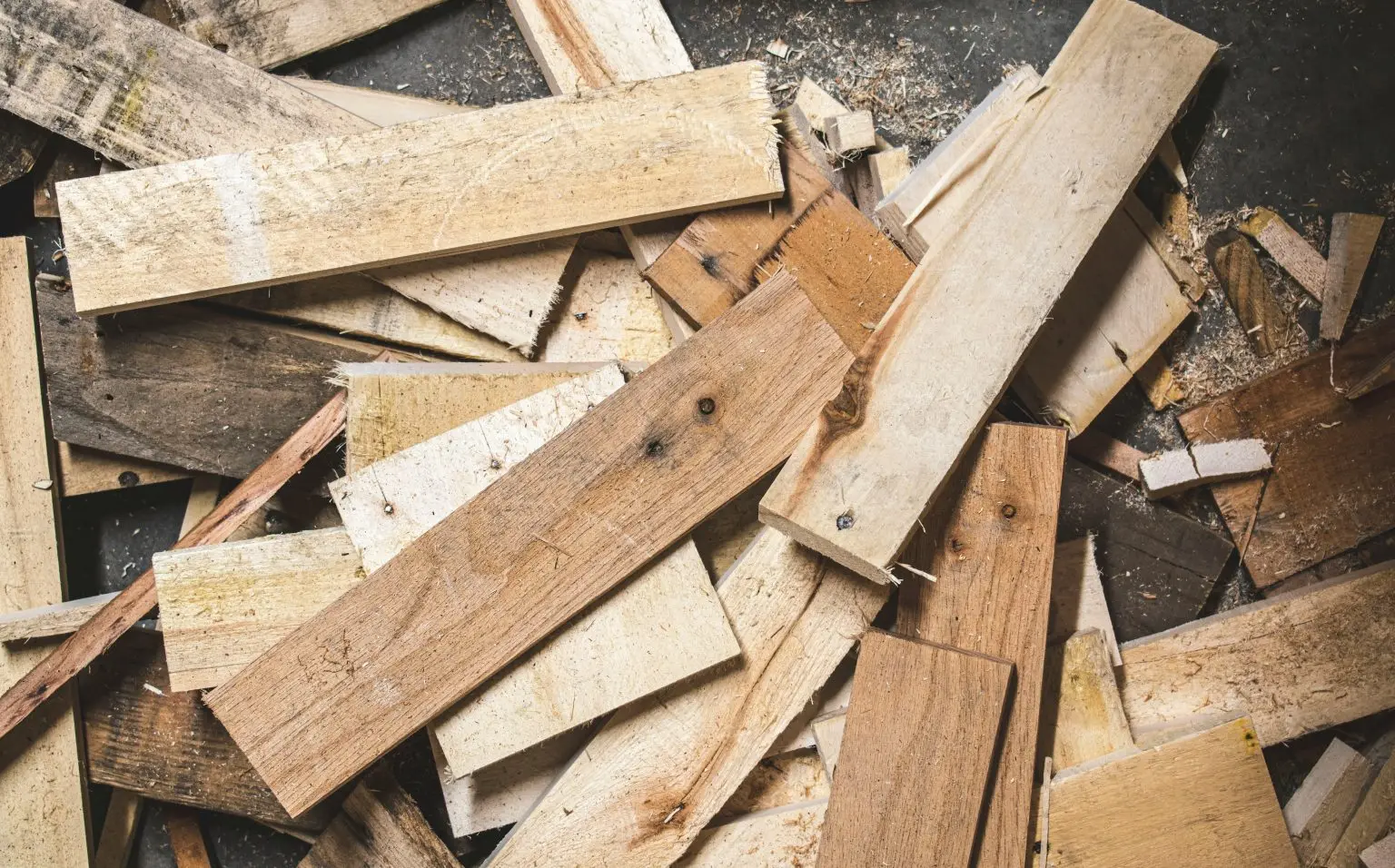
Where gaps are wider, a thin strip of timber (known as a sliver) can be glued into each gap and planed or sanded flush with the surface. It takes longer than using filler, but because it’s real wood it sits naturally alongside the boards, and it suits wider gaps where filler alone is unlikely to hold.
Lifting and Re-laying Boards
Where gaps are large and uneven across a whole room, the neatest solution is sometimes to lift the boards and re-lay them closer together. It’s a bigger job and not always practical, but it can be the right answer for floors where the boards have shifted significantly. We’ll tell you honestly if we think it’s worth considering.
When Is the Best Time to Fill Gaps?
Gaps are normally dealt with as part of a full sand and refinish rather than as a standalone job. Typically the floor is first sanded back to bare wood, the gaps are filled, and the surface is then sanded again to blend the repairs in before the finish goes on. If you’d like to see how that fits into the wider process, our guide to what to expect on the day of your floor sanding walks through it step by step.
Will the Filler Match My Floor?
A well-chosen filler, mixed with dust from your own boards, should blend in well, but it’s unlikely to be completely invisible. The finish you choose makes a difference: oils and stains can show filled gaps differently from a clear lacquer, which is something we’d talk through with you beforehand. Our guide to the difference between lacquer, oil and hardwax oil finishes explains how each one changes the look of the wood.
Gaps in Parquet Floors
Parquet is a slightly different story, because the blocks are small, individually laid and often fixed with adhesive. Gaps between blocks can be filled with a flexible filler as part of a restoration. We cover this in more detail in our guide to parquet floor restoration.
Can I Fill Gaps Myself?
DIY fillers are widely available, and it’s tempting to have a go with a tube of filler on a Saturday afternoon. The difficulty is that filler applied to a floor that hasn’t yet been sanded can sit proud of the surface and show up as a different colour, and a rigid filler can crack out as the boards move. If you’re weighing up the DIY route more generally, our posts on DIY versus professional floor sanding and common DIY floor sanding mistakes are worth a read first.
What Does Gap Filling Cost?
Gap filling is usually priced separately from the sanding itself, either per room or as an addition to the overall job, depending on the number and width of the gaps. Our 2026 cost guide gives typical figures for Surrey, and a free site visit is the most reliable way to get an accurate price for your own floor.
Questions to Ask Before You Book
If you’re getting quotes for a floor with gaps, it’s worth asking:
- Will the gaps be filled with flexible filler, timber slivers, or a mix of both?
- Is gap filling included in the quote, or priced separately?
- How will the filler be colour-matched to my floor?
- Will the floor be sanded again after filling, before the finish goes on?
Is Gap Filling Right for Your Floor?
If you’ve noticed gaps opening up and aren’t sure whether to fill them, sand the floor or simply leave things as they are, a quick look at the floor usually answers the question. Our guide on how to tell if your wood floor needs sanding, or just a clean is a good starting point, and you’re welcome to send us a few photos or arrange a free site visit.
Surrey Wood Floor Sanding covers Reigate, Redhill, Dorking, Guildford, Epsom, and the wider Surrey area, as well as South London, Sussex, Hampshire, Kent, and Berkshire. We offer free site visits and honest assessments, including advice on whether your gaps need filling at all. See our floor repairs and gap filling service for more.