
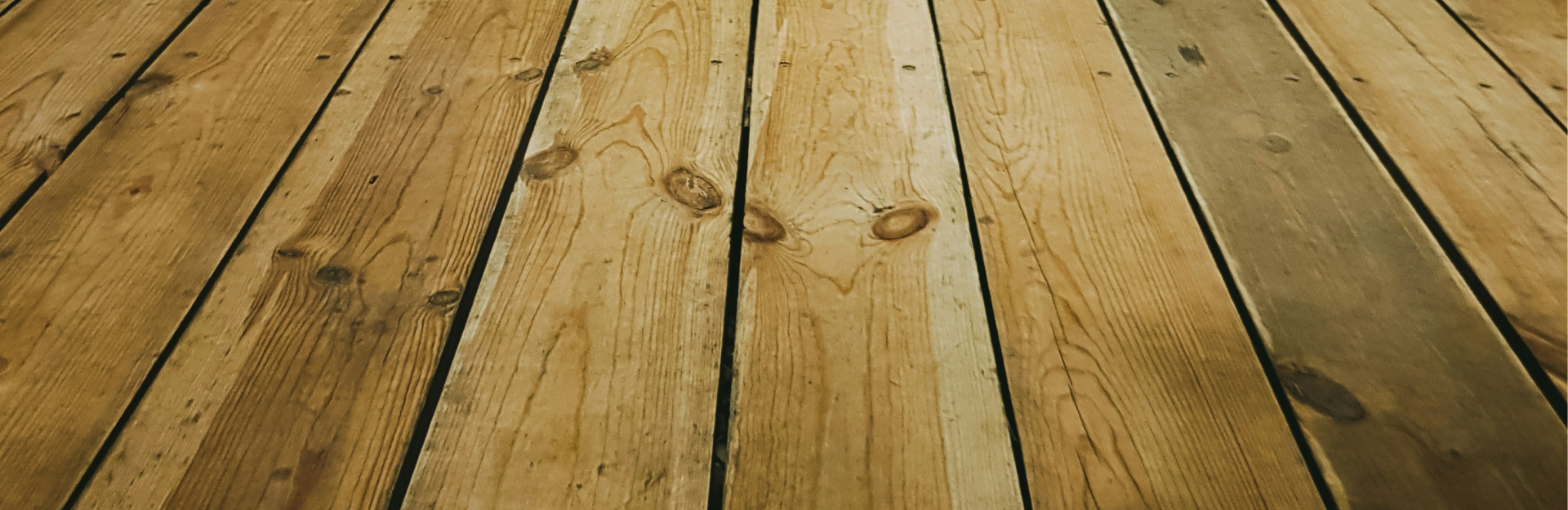
If you’ve been looking at interior design accounts, visiting show homes, or simply noticing what’s underfoot in well-presented properties across Surrey and South London, you’ll have picked up on a clear shift in how wood floors are being finished. Gloss is largely gone. Satin has been the default for years. And increasingly, matte and ultra-matte finishes are what homeowners, interior designers, and property developers are specifying.
It’s not a passing trend. There are genuine reasons why matte finishes have become the preferred choice for so many people, and understanding them helps when you’re deciding what finish to put on your own floor.
What Actually Makes a Finish Matte?
All floor finishes — lacquers, oils, and hardwax oils — contain flatting agents that scatter light rather than reflecting it directly back at the viewer. The more flatting agent in the formulation, the lower the sheen level. Manufacturers typically describe finishes across a spectrum from gloss through satin, semi-matt, and matt to ultra-matt.
The difference in practical terms is how the finished floor behaves in light. A gloss finish reflects light like a mirror, creating strong highlights and a very visible sheen. A matte finish diffuses light across the surface, giving a quieter, more even appearance with no strong reflections.
Ultra-matte finishes from manufacturers such as Rubio Monocoat, Osmo, and Bona — products we use regularly on client floors — take this further still, producing a surface that in some lights appears almost as if it hasn’t been finished at all. The wood simply looks like very clean, well-maintained bare wood.
The Look: Why Matte Works So Well
The primary reason matte finishes have become so popular is straightforward — they look better in most domestic settings than the alternatives.
They show the wood rather than the coating. A gloss or high-satin finish draws the eye to the surface of the finish itself — the reflections, the sheen, the coating sitting on top of the wood. A matte finish recedes visually and lets the grain, colour, and character of the wood come forward. This is particularly effective on species with strong grain patterns, such as oak, where a matte finish can make the floor look genuinely beautiful rather than merely presentable.
They work with natural light rather than against it. Gloss floors in rooms with large windows or multiple light sources create multiple competing reflections that can feel busy and distracting. Matte floors absorb and diffuse light evenly, making rooms feel calmer and more cohesive.
They age more gracefully. A gloss or high-satin floor shows every scratch, scuff, and mark because anything that disrupts the reflective surface is immediately visible. A matte floor hides minor wear far more effectively — the diffuse surface means small scratches don’t catch the light in the same way, and the floor continues to look good between maintenance cycles.
They suit the direction of interior design. As we discussed in our post on 2026 wood flooring trends in Surrey and London, the broader direction of interior design is towards natural materials, honest finishes, and interiors that feel considered rather than glossy. Matte floors sit naturally within this aesthetic in a way that a high-sheen finish simply doesn’t.

Matte Versus Gloss: A Practical Comparison
It’s worth being direct about the trade-offs, because matte finishes aren’t the right answer in every situation.
Gloss and high-satin finishes are more hardwearing in one specific sense — the coating itself is generally harder and more resistant to surface abrasion than a matte lacquer. For very high-traffic commercial environments, a harder gloss lacquer may outlast a matte equivalent. They’re also slightly easier to wipe clean because the smooth, reflective surface doesn’t trap fine particles in the same way.
Matte finishes, particularly oil and hardwax oil in ultra-matte formulations, require a degree of maintenance over time. As we covered in our guide to lacquer, oil, and hardwax oil finishes, oiled floors benefit from a periodic maintenance coat — typically every twelve to eighteen months in normal domestic use — to keep them looking their best. This is less demanding than it sounds, but it is a consideration.
The practical reality, however, is that for the vast majority of domestic settings — living rooms, bedrooms, hallways, kitchens in family homes — a quality matte or ultra-matte finish is entirely capable of handling normal use and will continue to look good with straightforward maintenance.
The Role of Finish in How a Room Feels
This is something that’s easy to underestimate until you see it in person. The finish on a floor doesn’t just affect how the floor looks — it affects how the whole room feels.
A gloss floor makes a room feel more formal, more clinical, more finished in a way that draws attention to itself. This can work in certain contexts — a grand entrance hall, a commercial showroom — but in most living spaces it creates an atmosphere that many people find slightly uncomfortable or over-done.
A matte floor does something quieter and more useful. It recedes. It lets the furniture, the walls, the light, and the people in the room become the focus rather than the floor itself. Rooms with matte floors tend to feel more relaxed, more liveable, and more genuinely comfortable — which is what most homeowners are actually trying to achieve.
Interior designers working across Surrey and South London consistently specify matte finishes for this reason. It’s not simply a fashion choice — it’s an understanding of how finish affects atmosphere.
Matte Finishes and Property Value
From a property perspective, matte and natural finishes are well aligned with what buyers and tenants in the Surrey and London market are currently responding to. As we outlined in our post on how wood floor restoration adds value to your home, the appearance and quality of floors has a meaningful impact on how a property presents and how it’s valued.
A freshly restored floor in a quality ultra-matte hardwax oil or natural oil finish reads as a considered, premium choice in a way that a standard satin lacquer doesn’t. For properties at the higher end of the Surrey market — larger family homes, period properties, premium rentals — this distinction matters to the buyers and tenants you’re trying to attract.
For more straightforward rental properties and mid-market homes, a good quality matt lacquer delivers much of the same visual result with lower maintenance requirements. The key point is that whatever the product, matte sheen levels are currently where the market is.
Choosing the Right Matte Finish for Your Floor
Not all matte finishes are the same, and the right choice depends on your floor type, your lifestyle, and how much maintenance you’re willing to do. We offer a range of specialised finishes. Find out more on our services page.
Ultra-matte hardwax oil — products like Rubio Monocoat, Osmo Polyx Oil, and Bona Craft Oil — give the most natural, authentic appearance and are the current first choice of most interior designers. They penetrate the wood rather than sitting on top of it, and the result is a floor that looks and feels like well-maintained bare wood. Maintenance involves periodic application of a compatible maintenance oil rather than full re-sanding.
Matt lacquer is a more practical choice for high-traffic areas, rental properties, and households where low maintenance is the priority. Quality matt lacquers from manufacturers like Bona and Junckers have improved significantly and now deliver a genuinely low-sheen result that’s close to the appearance of an oiled floor, with the durability and easy-clean properties of a lacquered surface.
Natural oil in a matte formulation sits between the two — penetrating like a hardwax oil but with a slightly more traditional character. It’s a good choice for period properties and floors where a very natural, slightly worn-in appearance is the goal.
As we discussed when we went through the DIY versus professional floor sanding question, the application of any finish — and matte finishes in particular — benefits significantly from professional application. A matte finish is less forgiving of uneven application than a gloss or satin, because lap marks and inconsistencies show up more clearly on a low-sheen surface. Professional application ensures an even, consistent result across the whole floor.
What to Ask For
If you’re having your floors sanded and you want a matte finish, it’s worth being specific about what you’re looking for. Ask your floor sanding company:
- What sheen level does that product dry to — matt, ultra-matt, or somewhere in between?
- Can I see a sample on a similar wood type before committing?
- What maintenance will the floor need and what products should I use?
- Is the finish compatible with underfloor heating if relevant?
A company that knows its products will answer these questions clearly and confidently, and will ideally be able to show you finished examples on similar floors. As we covered in our guide to how to choose the right floor sanding company in Surrey, asking informed questions before committing is one of the best ways to ensure you end up with the result you’re looking for.
See It for Yourself
Finish choices are genuinely difficult to make from photographs alone. The way a matte finish looks changes significantly depending on the light source, the wood species, and the room it’s in. The most useful thing you can do if you’re considering a floor restoration is arrange a site visit, where we can bring samples and show you exactly how different finish options will look on your particular floor.
Surrey Wood Floor Sanding works with homeowners, landlords, and interior designers across Surrey, South London, Sussex, Hampshire, Kent, and Berkshire. We use quality matte and ultra-matte finishes from leading manufacturers and are happy to talk through the options in detail before any work begins.
Get in touch today to arrange your free site visit and quote.