
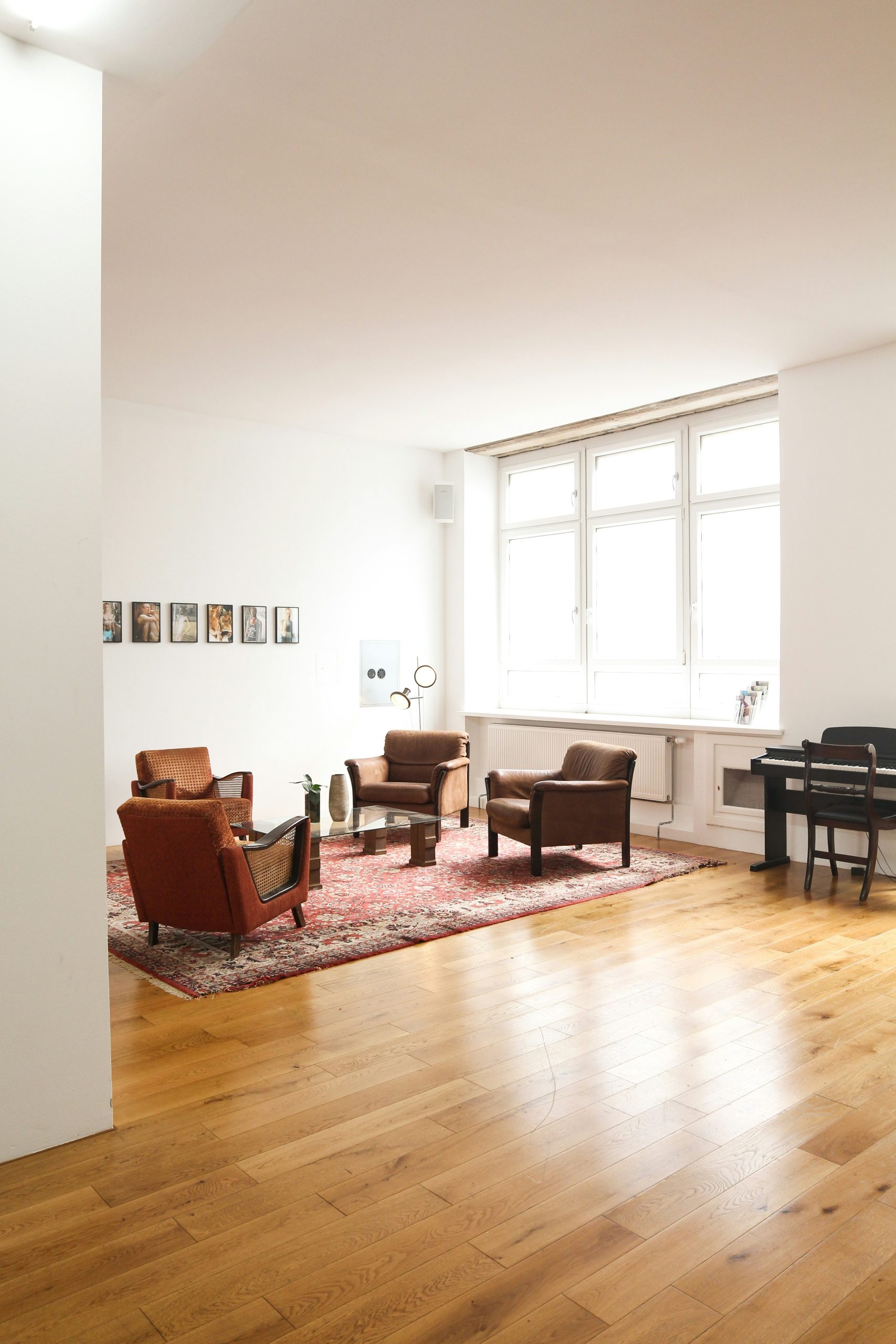
Wood floors and rental properties are a natural fit. They’re durable, easy to clean, appealing to tenants, and — when properly maintained — can last the lifetime of a tenancy and well beyond. But knowing when to sand, what finish to choose, and how to budget for it properly makes a real difference to your return on investment.
Why Wood Floors Make Sense in Rental Properties
Carpet in a rental property has a limited lifespan. Heavy use, staining, and general wear mean most carpets need replacing every five to ten years, sometimes sooner. A solid or engineered wood floor, by contrast, can be sanded and refinished repeatedly — potentially lasting the entire life of the building.
Tenants respond well to wood floors too. They photograph well for listings, feel more premium than carpet, and are genuinely easier to keep clean. In a competitive rental market, particularly in Surrey and South London, a well-presented floor can make a meaningful difference to how quickly a property lets and at what price.
When Should a Landlord Sand the Floors?
The most common trigger points are:
Between tenancies — a sand and refinish between lets is the most efficient time to do it. The property is empty, access is straightforward, and the floor will be at its best for new tenant photographs and viewings.
After long tenancies — floors in a property that’s been occupied for five or more years will often benefit from at least a light sand and recoat, even if they’re not heavily damaged.
After removal of carpet — many landlords discover original wood floors under old carpet when a tenancy ends. These are frequently in good condition underneath and well worth restoring rather than recarpeting.
When wear is becoming visible — if the finish is worn through in doorways or main walkways, addressing it early prevents the bare wood from becoming damaged or stained.
Choosing the Right Finish for a Rental Property
For most rental properties, we recommend lacquer. It’s the most durable finish day to day, it’s easy for tenants to clean, and it doesn’t require any maintenance regime beyond regular sweeping and occasional damp mopping.
Oil and hardwax oil finishes look beautiful but do require periodic maintenance coats to keep them in good condition — something most tenants won’t do. Unless you’re managing a higher-end let where you’re actively maintaining the property, lacquer is the more practical choice.
For a full breakdown of the differences between finish types, take a look at our guide to lacquer, oil, and hardwax oil finishes — it covers the pros and cons of each in detail.
What Does It Actually Cost?
Budgeting properly for floor maintenance is part of managing a rental property well. As a rough guide, professional sanding and refinishing in Surrey currently costs in the region of £25 to £45 per square metre for straight-run boards, with parquet and more complex floors at the higher end of the range.
For a full breakdown of typical prices across different floor types and job sizes, including stairs, gap filling, and repair work, our 2026 guide to wood floor sanding costs in Surrey is a useful starting point.
It’s also worth factoring floor maintenance into your long-term property budget alongside other planned works. A floor sanded every ten to fifteen years is a very manageable cost over the lifetime of an investment property.
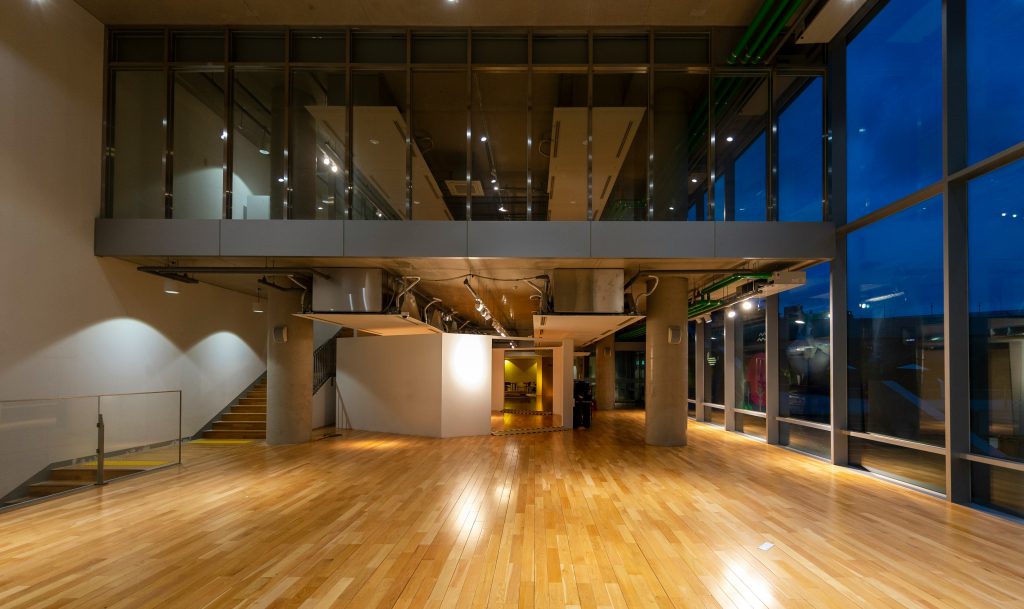
Can Floor Sanding Costs Be Claimed Against Tax?
This is a question for your accountant rather than your floor sanding company, but as a general point, maintenance and repair costs on a rental property are typically allowable expenses against rental income. A sand and refinish carried out to restore a floor to its original condition is generally considered a repair rather than an improvement, which may affect how it’s treated. Take advice from a qualified accountant on your specific situation.
Dealing With Damage Caused by Tenants
Surface scratches, scuffs, and general wear are part of renting a property out and are difficult to attribute to any single tenant. However, deeper damage — such as burns, significant gouges, or water damage from an unreported leak — is a different matter.
If you’re dealing with a floor that has been damaged during a tenancy, it’s worth getting a professional assessment before making any deposit deduction claims. We can provide a written report on the condition of the floor and an itemised quote for the remedial work, which can support a formal deposit dispute if needed.
Practical Tips for Landlords
- Photograph floors carefully at check-in and check-out — raking light from a window or torch will show up scratches and wear that a straight-on photograph misses
- Include floor care guidance in your tenant information pack — advising tenants to use felt pads on furniture and avoid steam mops costs nothing and can prevent a lot of unnecessary damage
- Don’t wait until a floor is badly worn — a light maintenance coat is far cheaper than a full sand, and catching wear early extends the life of the finish significantly
- Factor in drying time — a full sand and lacquer finish needs at least 24 to 48 hours before the property can be walked on, and ideally longer before furniture goes back. Build this into your void period between tenancies.
Get in Touch
Surrey Wood Floor Sanding works with landlords, letting agents, and estate agents across Surrey, South London, Sussex, Hampshire, Kent, and Berkshire. We understand the practical demands of rental property maintenance and can work around tenancy schedules to minimise void periods.
Contact us today for a free site assessment and quote.